Work Hours
Monday to Friday: 8am – 6pm
Weekend: 10am – 2pm



One of the worst nightmares for a programmer is having their code crash in production, especially when it comes to critical systems like those used in space exploration.
NASA, known for its precision and attention to detail, follows a set of rules to ensure their code is bulletproof. Let’s explore these rules and see how they can be applied to create robust and reliable software.
NASA’s coding guidelines, often referred to as the “Power of Ten,” provide a set of rules for building resilient software. Here are some key rules they follow:
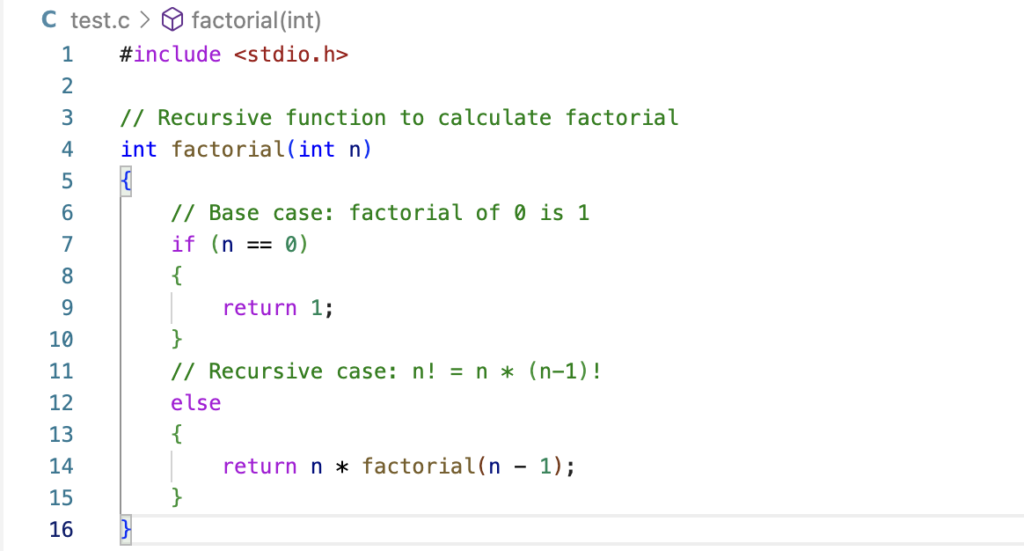
1. Simple Control Flow:
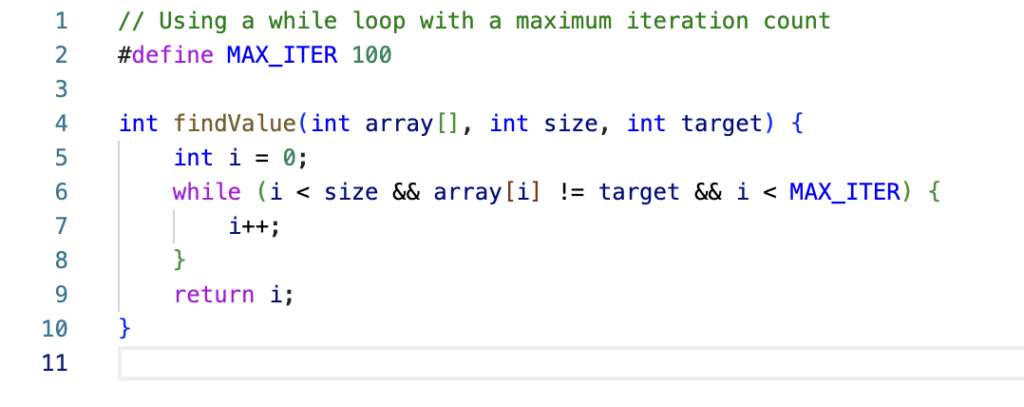
2. Limit Loops:
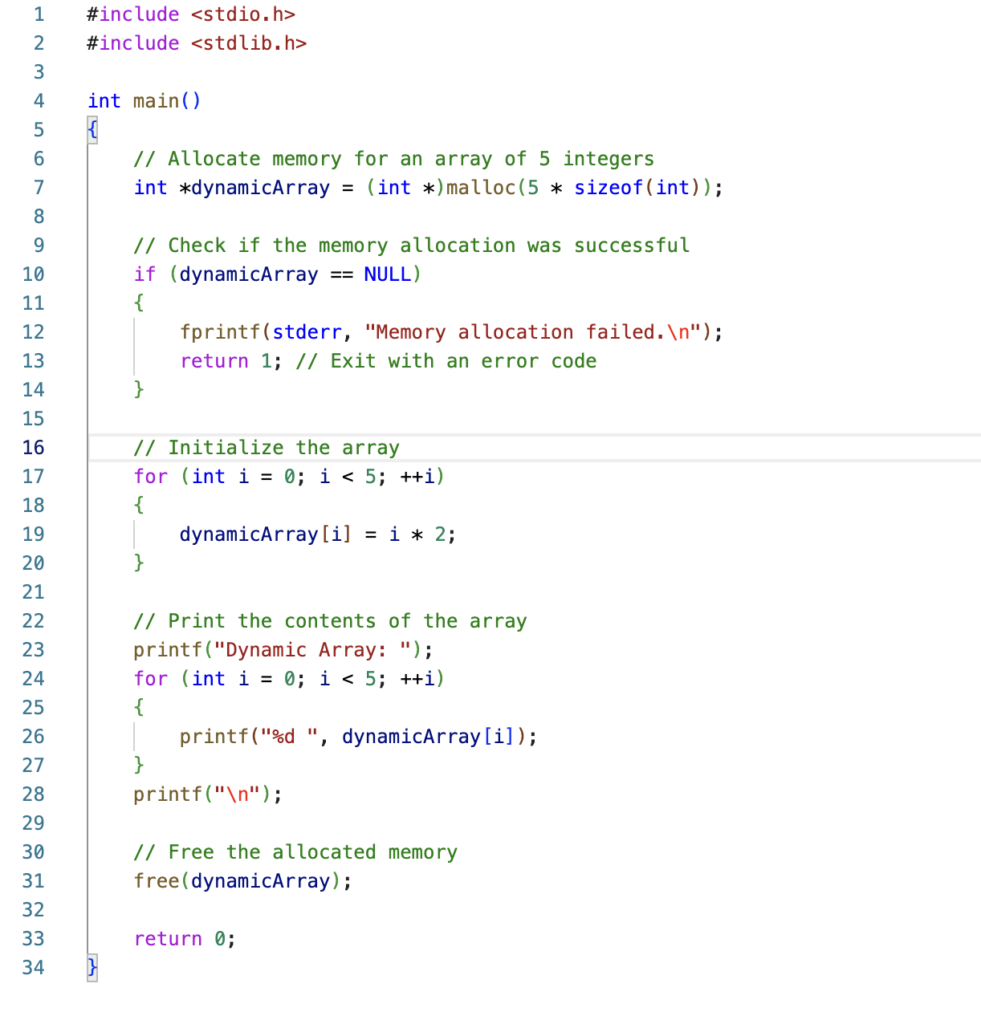
3. Heap Limitation:
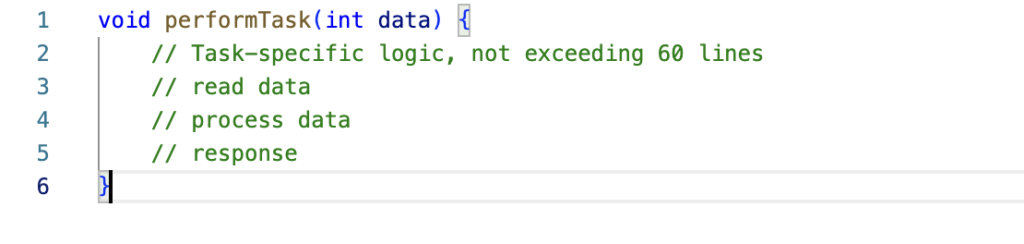
4. Function Size Restriction:
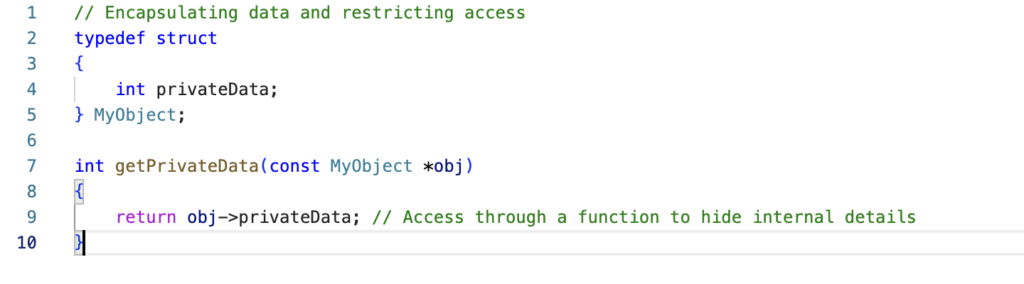
5. Data Hiding:
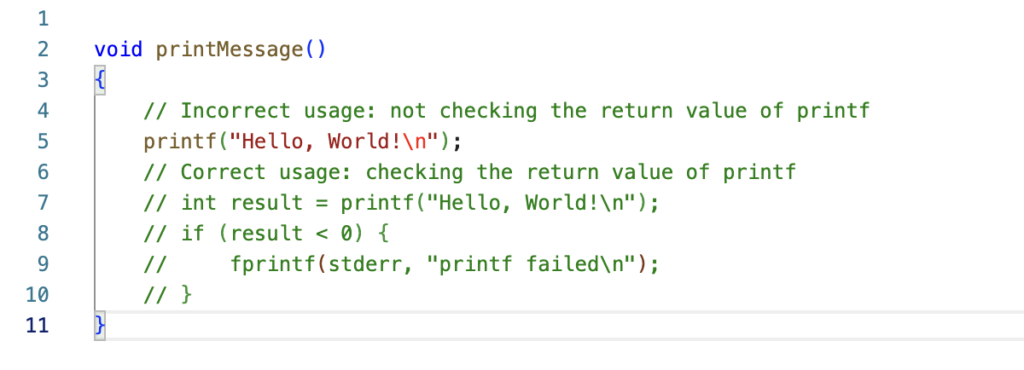
6. Check Return Values:
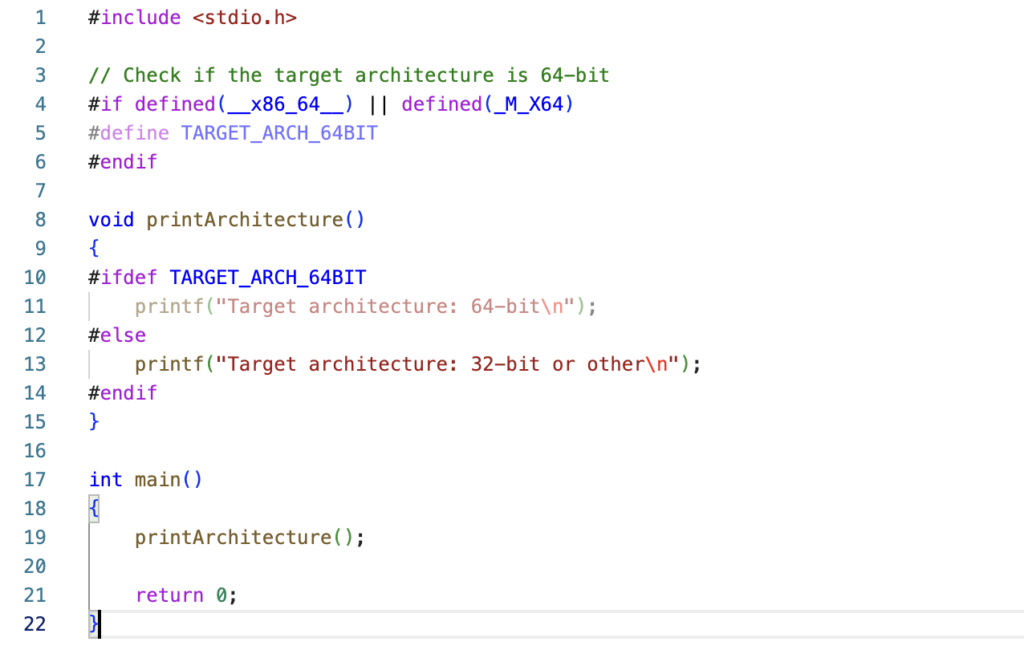
7. Preprocessor Limitation:
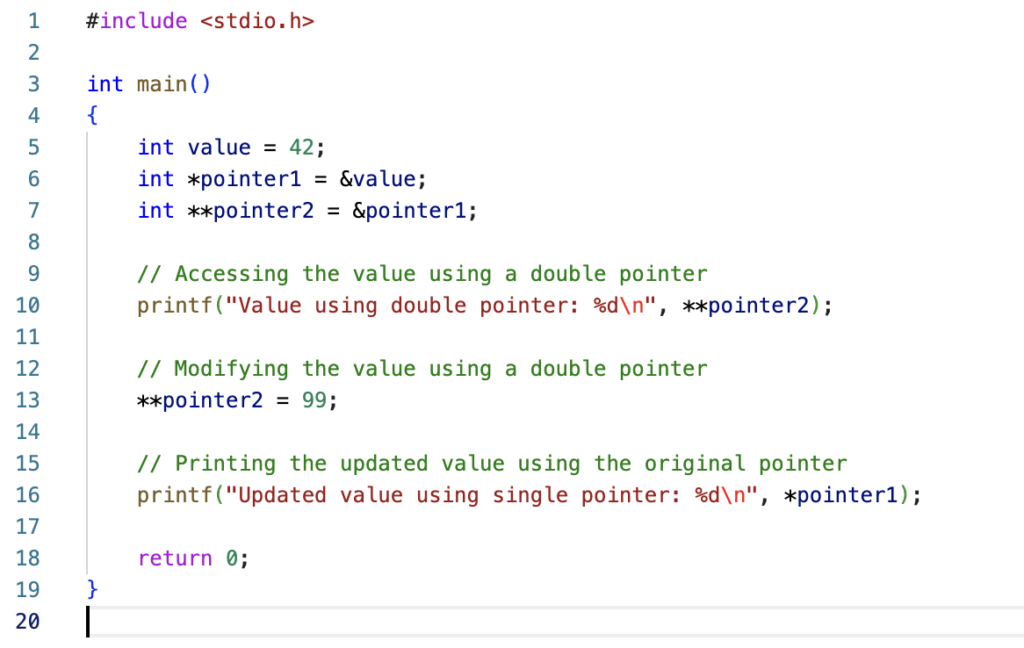
8. Pointer Restriction:
9. Be Pedantic:
gcc -Wall -Werror -Wpedantic your_source_file.c -o your_executable10. Static Analysis and Unit Testing:
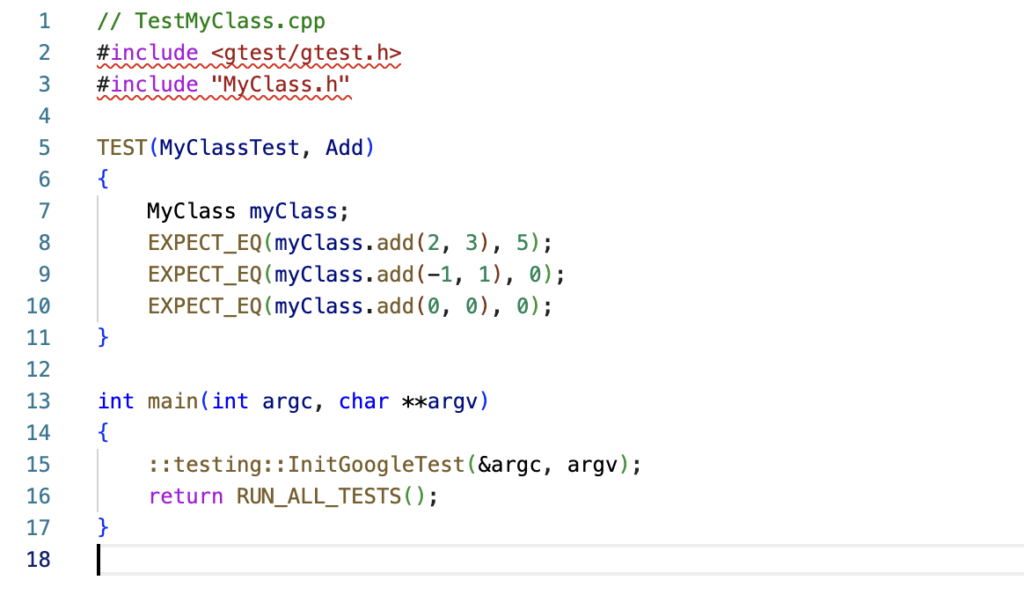
Applying these rules becomes very important when writing code for embedded systems or microcontrollers. These systems often operate in resource-constrained environments where reliability is most important. By following NASA’s coding principles, developers can create resilient software that meets the requirements of embedded systems, ensuring stability and performance even in challenging conditions.
In conclusion, embracing NASA’s coding guidelines goes beyond just writing software – it’s about building a mindset that prioritizes reliability, simplicity, and robustness. By adhering to these rules, developers can approach their code with the same precision and attention to detail that NASA employs in its space missions, resulting in bulletproof software that stands the test of time.
