Crafting Bulletproof Code: Learning from NASA’s Rules

One of the worst nightmares for a programmer is having their code crash in production, especially when it comes to critical systems like those used in space exploration.

NASA, known for its precision and attention to detail, follows a set of rules to ensure their code is bulletproof. Let’s explore these rules and see how they can be applied to create robust and reliable software.

NASA’s Code Rules

NASA’s coding guidelines, often referred to as the “Power of Ten,” provide a set of rules for building resilient software. Here are some key rules they follow:

1. Simple Control Flow:
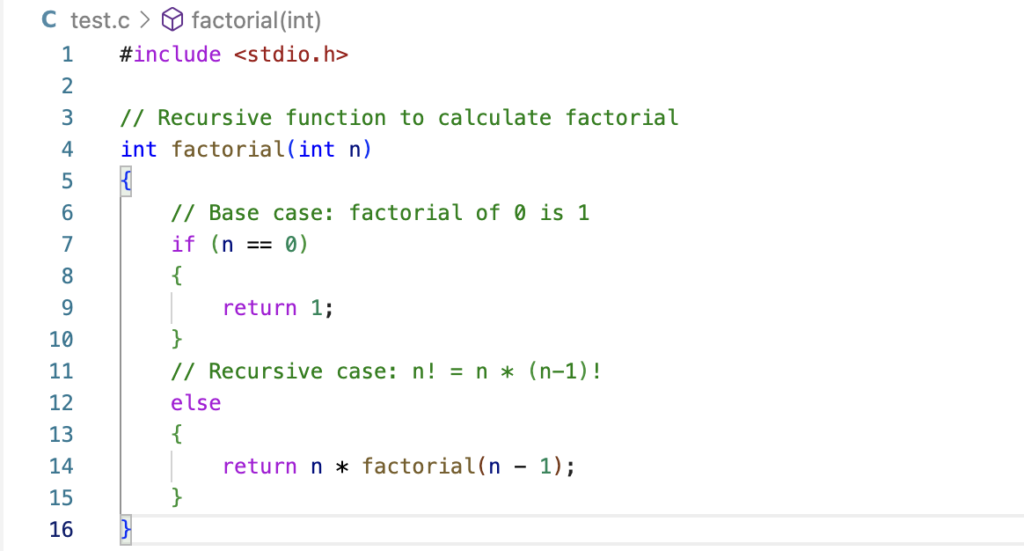
  • Avoid using complex control flow structures like ‘goto,’ ‘setjump,’ ‘longjmp,’ and recursion. This simplifies the program’s logic and makes it easier to follow.

2. Limit Loops:

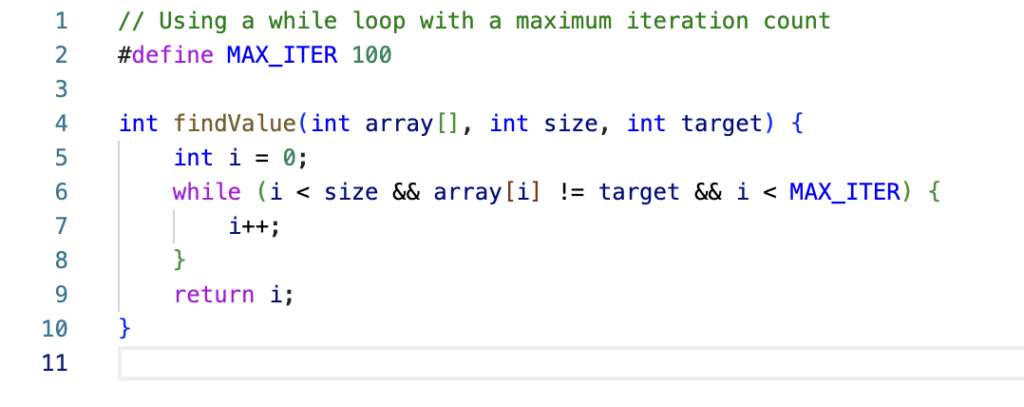
  • Control loops by setting a maximum iteration count. For example, using a ‘while’ loop with a defined MAX_ITER helps prevent infinite loops that can crash the system.

3. Heap Limitation:

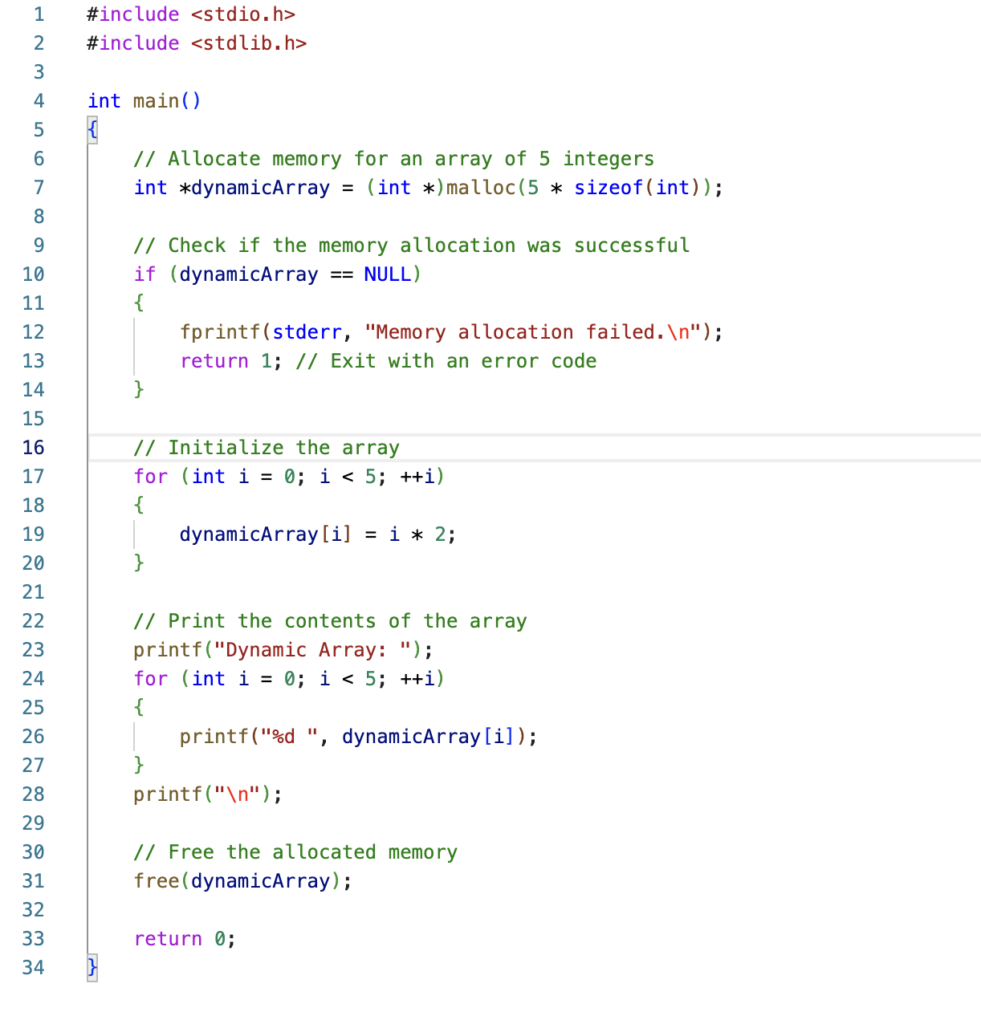
  • NASA code avoids dynamic memory allocation by not using ‘malloc’ and ‘free.’ This practice eliminates potential memory leaks and makes the code more predictable. Static analyzers cannot validate heap usage.

4. Function Size Restriction:

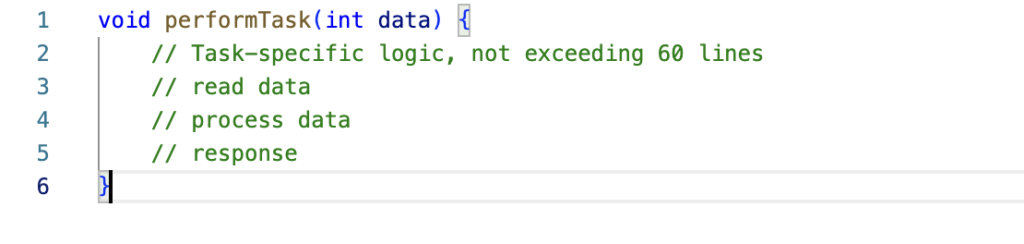
  • Keep functions concise, performing a single action and no longer than 60 lines. This enhances readability and ensures that each function has a clear and specific purpose.

5. Data Hiding:

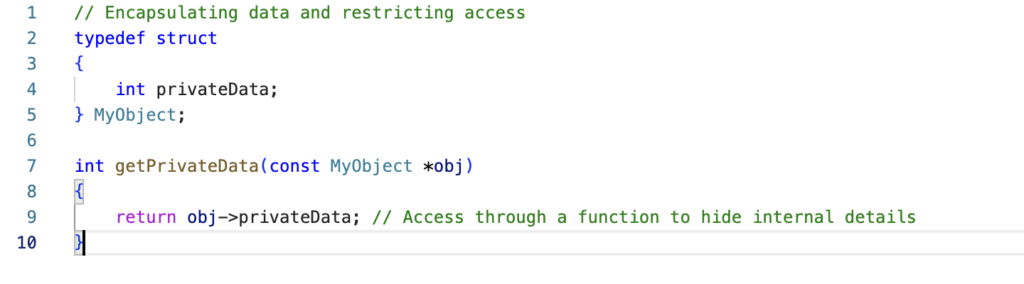
  • Practice data hiding by restricting access to class members. This safeguards internal details of objects, maintaining data integrity and minimizing unintended side effects.

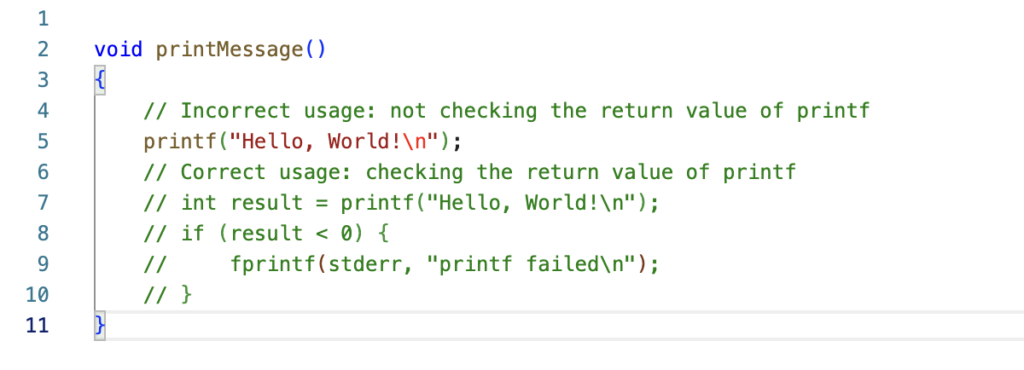
6. Check Return Values:

  • Always check return values, especially for functions with non-void returns. Every critical function should be checked by return value, and a missing cast to void should be flagged during the pull request process as potential error.

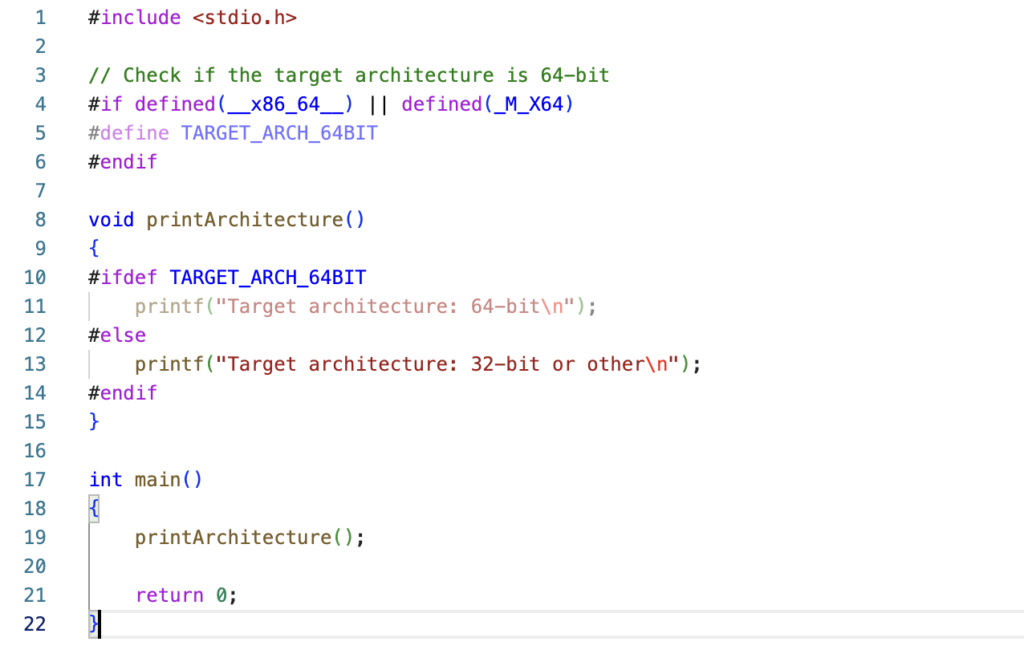
7. Preprocessor Limitation:

  • Minimize the use of the C preprocessor, as its extensive use can lead to complex and error-prone code.

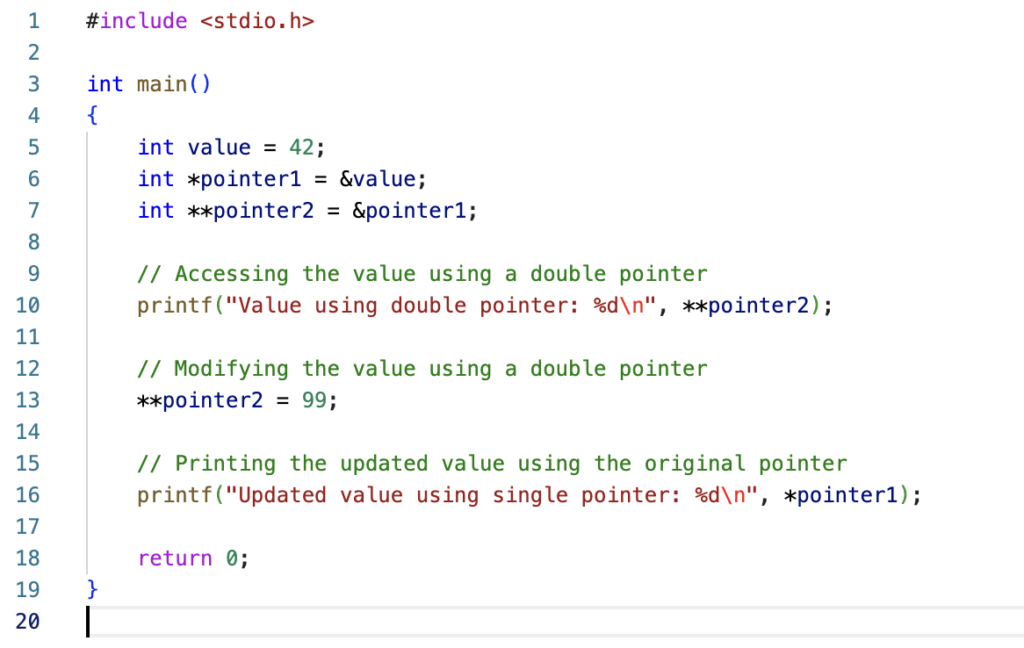
8. Pointer Restriction:

  • Limit pointer usage to a single level of dereferencing and avoid function pointers entirely. This reduces the risk of pointer-related errors.

9. Be Pedantic:

  • Enable the pedantic compiler mode to catch potential issues during compilation and maintain code quality.
gcc -Wall -Werror -Wpedantic your_source_file.c -o your_executable

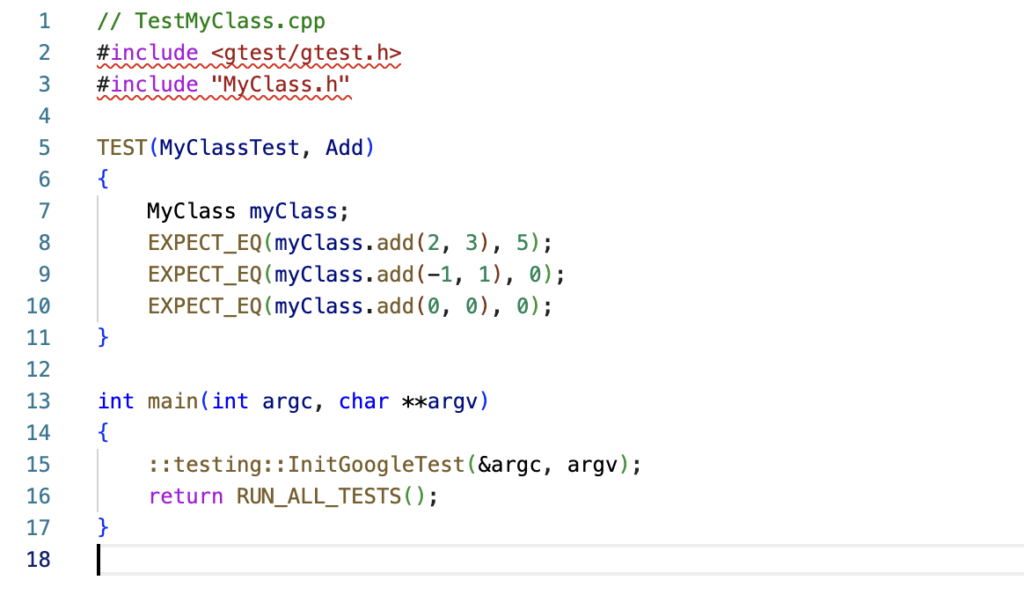
10. Static Analysis and Unit Testing:

  • Analyze code thoroughly using multiple static analyzers and ensure comprehensive unit testing to validate its correctness and robustness.
Application in Embedded and Microcontroller Code

Applying these rules becomes very important when writing code for embedded systems or microcontrollers. These systems often operate in resource-constrained environments where reliability is most important. By following NASA’s coding principles, developers can create resilient software that meets the requirements of embedded systems, ensuring stability and performance even in challenging conditions.

In conclusion, embracing NASA’s coding guidelines goes beyond just writing software – it’s about building a mindset that prioritizes reliability, simplicity, and robustness. By adhering to these rules, developers can approach their code with the same precision and attention to detail that NASA employs in its space missions, resulting in bulletproof software that stands the test of time.